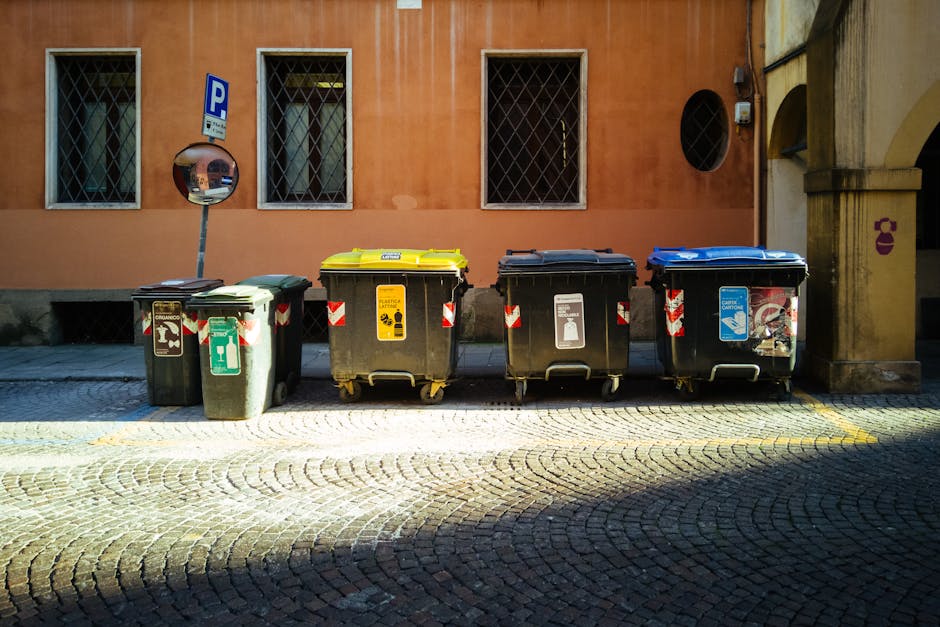
Pimlico Waste Disposal Rules: What Westminster Enforces
If you live, work, or manage property in Pimlico, waste is never just "rubbish on the pavement." Westminster's enforcement approach is shaped by narrow streets, busy footfall, conservation concerns, and the simple fact that one badly timed bag can turn into a blocked pavement or a fly-tipping headache. This guide on Pimlico Waste Disposal Rules: What Westminster Enforces explains what matters in practice, how the rules tend to be applied, and what you can do to stay on the right side of them without making life harder than it needs to be.
You'll find the plain-English version here: what is expected, what usually triggers enforcement, what mistakes people make, and how to plan waste removal sensibly in Pimlico. To be fair, most problems are avoidable once you know the local rhythm.
Table of Contents
- Why Pimlico Waste Disposal Rules: What Westminster Enforces Matters
- How Pimlico Waste Disposal Rules: What Westminster Enforces Works
- Key Benefits and Practical Advantages
- Who This Is For and When It Makes Sense
- Step-by-Step Guidance
- Expert Tips for Better Results
- Common Mistakes to Avoid
- Tools, Resources and Recommendations
- Law, Compliance, Standards, or Best Practice
- Options, Methods, or Comparison Table
- Case Study or Real-World Example
- Practical Checklist
- Conclusion
- Frequently Asked Questions
Why Pimlico Waste Disposal Rules: What Westminster Enforces Matters
Pimlico sits in a part of London where public space is precious. There's less room for clutter, less tolerance for mess, and usually less patience from neighbours when waste is left out badly. Westminster enforcement matters because the consequences are not just visual. Incorrect disposal can lead to blocked pavements, smells, vermin concerns, neighbour disputes, and in some cases enforcement action.
For residents, that means the difference between a smooth collection and a costly scramble. For landlords and managing agents, it means staying on top of duty of care and keeping common areas usable. For businesses, especially smaller offices, cafes, studios, and shops, waste handling can affect trading, access, and reputation. Nobody wants to be the building with the ripped black bags at the front for half a day. It's one of those things people notice instantly.
Westminster's enforcement priorities are usually practical rather than dramatic. The issue is not simply whether waste exists; it is how it is stored, presented, separated, timed, and removed. That is the real heart of Pimlico waste disposal compliance.
How Pimlico Waste Disposal Rules: What Westminster Enforces Works
At street level, waste rules in Pimlico tend to revolve around a few recurring themes: collection timing, container use, separation of recyclables, safe placement, and avoiding obstruction. Westminster may monitor waste left out too early, waste in the wrong container, oversized items abandoned on the pavement, and repeated behaviour that suggests careless disposal rather than a one-off mistake.
In practical terms, this often means three things:
- Waste should be contained properly so it does not spill, leak, or attract pests.
- Waste should be put out at the right time and not left sitting around for hours or days.
- Waste should be disposed of through the right route rather than dumped in communal areas, on kerbs, or beside full bins.
In a shared block, the rules get even more nuanced. A hallway full of cardboard after a move, a sofa left beside the bins, or broken flat-pack furniture in a communal bin store can quickly become everyone's problem. If you're planning a bigger clear-out, it can help to arrange a more structured service such as furniture removals or broader removal services rather than hoping the waste will somehow disappear by itself. Spoiler: it won't.
For larger moves, careful packing and sequencing matter too. The right prep can reduce waste, breakages, and last-minute dumping. That is why some households and offices pair disposal planning with packing and boxes or packing and unpacking services, especially when the move and waste clearance happen in the same window.
There is also a clear distinction between routine household waste and bulky or special items. A few bin bags are one thing. Mattresses, wardrobes, office chairs, or mixed loads are another. If you ignore that distinction, Westminster enforcement becomes much more likely to notice, because the waste itself becomes visible, awkward, and often obstructive.
Key Benefits and Practical Advantages
Good waste disposal habits do more than avoid trouble. They make daily life easier. In Pimlico, where storage space is often limited and buildings may have tight access, sensible disposal planning can save time, reduce lift traffic, and keep shared entrances looking respectable.
Here are the practical benefits people notice most:
- Cleaner communal areas and less friction with neighbours.
- Lower risk of enforcement problems from incorrect or untimely waste presentation.
- Better move coordination when decluttering happens before moving day.
- Safer access for residents, visitors, and delivery crews.
- Fewer pest and odour issues during warmer weather or after delays.
There's also a quiet financial upside. When waste is sorted properly, you are less likely to pay for extra handling, rushed collections, or avoidable repeat visits. If you're comparing options, checking pricing and quotes before you book can help you understand whether a one-off collection, a larger removal, or a combined move-and-clearance approach is more sensible.
And let's face it, nobody enjoys last-minute panic on a Saturday morning because a sofa has to be moved downstairs while someone is already arriving for a viewing. Planning beats improvising. Most of the time, anyway.
Who This Is For and When It Makes Sense
This topic matters to more people than you might expect. It is not just for people with overflowing bins. Pimlico waste disposal rules and Westminster enforcement affect several groups:
- Residents in flats, terraces, and mansion blocks.
- Landlords and letting agents managing voids, clear-outs, or tenant handovers.
- Businesses producing regular packaging, office rubbish, or bulky commercial waste.
- Students and short-term tenants who may be moving quickly and creating more packaging waste than usual.
- Home movers trying to avoid leaving old furniture or boxes behind.
If you are in a flat, disposal is often about access and timing as much as the waste itself. You may need to work around narrow stairwells, lift restrictions, or building rules. That is why services such as flat removals or man and van support can be useful when clearance needs to happen without disturbing the whole building.
For offices and commercial sites, the pressure is different. Waste can build up quickly from stationery, packaging, broken furniture, and old equipment. In those cases, office removals or commercial moves may be the cleaner route, especially if you're relocating and clearing at the same time.
Sometimes people only realise the need for proper disposal when a deadline is already close. That is usually when the risks multiply. A bit of planning would save the headache, honestly.
Step-by-Step Guidance
If you want to stay compliant and avoid avoidable friction, use a simple process. You do not need a complicated system. You need a reliable one.
- Identify the waste type. Separate everyday rubbish, recycling, bulky items, electricals, and anything with special handling needs.
- Decide whether it is household, communal, or commercial waste. The route you use should reflect the source and volume.
- Check your building rules. Communal bin stores, concierge arrangements, and access windows often matter as much as council guidance.
- Schedule disposal or collection at the right time. Don't put waste out too early unless that is clearly allowed.
- Use appropriate containers. Bags should be secure; loose waste is asking for trouble.
- Move bulky items safely. If it needs two people, a trolley, or careful lifting, treat it that way from the start.
- Remove waste promptly after a move or clear-out. Lingering bags in hallways are where complaints begin.
For a small household clear-out, a lighter vehicle may be enough. Many people use a removal van or man with van arrangement for practical, same-day type jobs. For larger clearances, you may need a moving truck or removal truck hire so the waste is removed in one go rather than in awkward fragments.
One small but important point: do not assume "I'll just leave it near the bins" counts as disposal. It usually does not. That is one of those half-ideas that ends badly.
Expert Tips for Better Results
From experience, the biggest improvements usually come from the boring stuff done well. Not glamorous. Still effective.
- Label boxes before a move. Keep donation, reuse, recycling, and waste separate. It speeds everything up later.
- Break down cardboard immediately. Flat cardboard takes up far less space and is less likely to blow around.
- Use one corner or one room as the disposal zone. It stops the rest of the property becoming a mess.
- Photograph bulky items before booking removal. It helps avoid confusion about access and vehicle size.
- Ask about re-use or recycling routes. Some items are better diverted than thrown away.
- Time waste clearance before estate agent photos, inspections, or handover. A spotless space always feels calmer.
If your job involves heavy or awkward pieces, such as a grand upright or digital piano, consider specialist handling early rather than later. piano removals are a good example of how a specialist approach can reduce damage, stress, and the temptation to "figure it out on the day." That rarely goes well.
Another useful habit is to keep an eye on how waste is presented in the street. In central London, one badly placed item can make a whole frontage look messy. People notice, even if they never say it directly.
Common Mistakes to Avoid
Most enforcement issues start with ordinary mistakes, not deliberate wrongdoing. The problem is that ordinary mistakes are still visible.
- Putting bags out too early and leaving them exposed for hours.
- Leaving bulky items beside communal bins instead of arranging proper removal.
- Mixing recyclables and general waste in a way that makes sorting difficult.
- Blocking entrances, stairwells, or pavements during a move or clear-out.
- Assuming another resident will deal with it because "it's communal anyway."
- Underestimating access problems in Pimlico's tighter streets and older buildings.
There is also a paperwork mistake people sometimes overlook. If a business or landlord arranges disposal, they should keep clear records and use reputable handling arrangements. That applies especially where waste is collected alongside commercial items, refurbishment debris, or office contents. If you are comparing providers, a quick look at terms and conditions and insurance and safety can help you avoid unpleasant surprises.
The sneaky mistake is delay. Waste that seems harmless on Monday becomes a nuisance by Wednesday. Then by Friday it is suddenly everyone's problem. Funny how that works.
Tools, Resources and Recommendations
You do not need a giant toolkit for this. You need practical support and a bit of structure.
Useful things to have in place include:
- Strong bin bags and labels for separating waste early.
- Moving blankets or wrap for furniture that needs to pass through shared hallways.
- Trolley or sack truck support for heavier loads where allowed.
- Clear booking notes so the collection team knows what they are lifting.
- Temporary storage when waste clearance and move-out timing do not line up perfectly.
That last one matters more than people expect. If your flat is emptying but the final collection is not until later, short-term holding can stop the property from becoming cluttered. In those situations, storage can be the calm middle step between "everything everywhere" and "done."
If you are moving house and clearing at the same time, look at the wider move support too. home moves and house removals can be a better fit when the disposal task is tied to a full relocation rather than a one-off lift. For quicker jobs, same day removals can be useful if timing is tight and you need the clutter gone fast.
Law, Compliance, Standards, or Best Practice
When people talk about waste rules, they often jump straight to fines. That is only part of it. The real picture includes local enforcement expectations, building rules, public nuisance concerns, and basic duty of care around waste handling.
In plain English, Westminster is likely to care about whether waste is:
- stored or presented safely,
- left in a way that blocks or spoils the public realm,
- mixed or dumped in an irresponsible way,
- handled by the right people at the right time,
- kept from becoming a nuisance to neighbours or passers-by.
For households, best practice usually means following collection guidance carefully and keeping the frontage tidy. For businesses, the bar is a bit higher because commercial waste tends to be more visible and more frequent. Landlords and managing agents should also think about how waste is managed between tenancies, during refurbishments, or when bulky items are removed after a move-out.
If you are handling waste as part of a commercial operation, it is sensible to choose providers with clear operational standards. A business like about us should make it easier to understand how they work, while recycling and sustainability gives you a sense of whether the disposal route is being treated thoughtfully rather than lazily.
Best practice is not just about avoiding punishment. It is about not creating a daily nuisance in a place where everyone is already dealing with limited space and constant movement. That is the subtle bit people miss.
Options, Methods, or Comparison Table
Different situations call for different waste disposal methods. The right choice usually depends on volume, urgency, access, and whether the items are part of a wider move.
| Method | Best for | Strengths | Limitations |
|---|---|---|---|
| Routine bin disposal | Everyday household waste | Simple, low-cost, familiar | Not suitable for bulky or mixed loads |
| Communal waste handling | Flats and managed blocks | Convenient for shared living | Can become crowded or misused quickly |
| Man and van clearance | Moderate clear-outs, single trips | Flexible, practical, quick to arrange | May not suit very large or fragile loads |
| Van-to-truck removals | House moves, major clearances | Efficient for larger volumes | Needs more planning and access space |
| Specialist item removal | Heavy or awkward objects | Safer for property and people | Usually needs advance booking |
There is no one-size-fits-all answer. If you are clearing one wardrobe, a lighter option may be enough. If you are emptying a two-bedroom flat after a tenancy changeover, a fuller removal plan is usually the better route. For some people, furniture pick up is exactly the middle ground they need: not too much, not too little, and far less stressful than trying to leave everything to the last minute.
Case Study or Real-World Example
Picture a typical Pimlico flat on a Tuesday afternoon. The tenant has moved most things out, but there is still a sofa, a broken bedside table, three bags of mixed waste, and a stack of cardboard boxes that has started leaning in the hallway. The building is busy. A neighbour is trying to get a pram through the entrance. The cleaner arrives. Tension rises. You can feel it before anyone says a word.
In a case like that, the issue is not simply "too much rubbish." It is the way the rubbish has been staged. If the waste stays in the hall overnight, it becomes a shared nuisance. If it blocks access, it becomes a practical problem. If it sits outside the block too early, it can become an enforcement issue. One small thing, then another, and suddenly it is not small anymore.
The better approach would be simple: break down recyclable cardboard first, separate bags by type, arrange lifting for bulky furniture, and remove everything in a scheduled window. If the move is large enough, using a dedicated team through removals or even man with a van support can prevent the "pile it up and hope" method that causes most complaints.
That is usually how these jobs go in real life. Not dramatic. Just messy unless someone takes control early.
Practical Checklist
Use this before you leave waste anywhere visible or arrange a clearance:
- Have I identified the type of waste correctly?
- Does any item need special handling because of size, weight, or fragility?
- Have I checked my building's waste rules or collection arrangements?
- Is the waste contained, labelled, and easy to move?
- Will the timing avoid early placement or overnight clutter?
- Do I need help with lifting, transport, or access?
- Would a wider move service be more efficient than a one-off disposal?
- Have I left pavements, entrances, and shared areas clear?
- Am I sure the waste will not become a nuisance if collection is delayed?
- Do I need quotes, insurance reassurance, or better planning before proceeding?
If you can tick most of those off, you are already ahead of the curve. That alone saves trouble.
Conclusion
Pimlico waste disposal rules are really about keeping a dense, busy part of Westminster workable for everyone. The enforcement side exists because careless waste handling affects neighbours fast. The good news is that staying compliant is usually straightforward once you know the basics: contain waste properly, time it carefully, separate it sensibly, and get bulky items removed through the right route.
Whether you are a resident, landlord, tenant, or business owner, the safest path is usually the most orderly one. A little planning goes a long way in Pimlico, especially where access is tight and everyone is trying to get on with their day. That is the practical truth of it.
If you are planning a move, clear-out, or bulky item collection and want to avoid a messy finish, it is worth looking at the wider support options and choosing the approach that fits the property, the timing, and the volume of waste.
Get a free quote today and see how much you can save.
And if all you needed was a clearer picture of what Westminster expects, hopefully you've got that now. Sometimes the best outcome is simply a calmer street and one less thing to worry about.
Frequently Asked Questions
What are the main waste disposal rules in Pimlico?
The main rules are about presenting waste safely, using the correct containers, avoiding early or prolonged placement on the street, and keeping communal areas clear. Westminster tends to focus on nuisance, obstruction, and obviously unmanaged waste.
Does Westminster enforce waste rules in Pimlico differently for flats and houses?
Yes, in practice the setting matters. Flats often involve communal bins, shared access, and tighter storage areas, while houses may be judged more on frontage, timing, and how waste is left outside for collection.
Can I leave bulky furniture beside the bins?
Usually no, not as a default. Bulky items are one of the most common causes of complaints. If an item is too large for routine disposal, it is safer to arrange a proper collection or removal.
What counts as fly-tipping in a place like Pimlico?
Dumping waste in an unauthorised place, including beside bins, in shared hallways, or on the pavement without the proper arrangement, can be treated as fly-tipping or a related enforcement issue. The exact response depends on the circumstances.
How early can I put rubbish out?
That depends on the collection arrangement and local guidance. The safe rule is not to put waste out earlier than necessary. Early placement is one of the easiest ways to create avoidable problems.
What should landlords do about left-behind waste after a tenancy?
Landlords should act quickly, separate what can be reused or recycled, and arrange proper removal for the rest. Waiting tends to make the problem larger, not smaller.
Is recycling really that important for Westminster enforcement?
Yes, because mixed or careless disposal can create obvious waste-management problems. Proper separation helps keep shared spaces cleaner and reduces the chances of disputes or enforcement attention.
Do I need a removal service for just a few items?
Not always. A smaller collection may be enough. But if the items are heavy, awkward, or hard to move through a building, a service like removal van support or man and van help can be much easier.
What is the best option for a same-day clear-out?
If timing is tight, a quick-response arrangement such as same day removals may be the most practical choice, especially when a move-out or inspection is happening soon.
How can businesses stay compliant with waste handling in Pimlico?
Businesses should separate waste streams, keep records where needed, avoid obstructing entrances or pavements, and use appropriate removal support for bulkier loads. For many, office relocation services are a cleaner way to manage disposal during a move.
What if my building has no space for temporary waste storage?
Then the timing becomes even more important. Use a planned removal window, avoid leaving waste in corridors, and consider temporary storage or a coordinated collection so the property does not get cluttered.
Where should I start if I'm not sure which disposal method fits my situation?
Start by looking at the size, weight, access, and timing of the waste. If it is part of a larger move or clear-out, compare options like home moves, house removals, or a smaller clearance arrangement. The right choice is usually the one that keeps the property tidy and the process simple.
Why do waste issues feel stricter in Pimlico than in some other places?
Because the streets are busy, the pavements are shared by lots of people, and there is less room for clutter to sit unnoticed. In a place like Pimlico, poor waste handling becomes visible very quickly, which is often why enforcement feels more immediate.