Banned Items and Recycling Laws for Pimlico Moves
If you are planning a move in Pimlico, the last thing you want is a perfectly ordinary moving day turning into a hassle over a banned item, a stray battery, or a sofa that should have gone for recycling instead of into the truck. Banned Items and Recycling Laws for Pimlico Moves matter because they affect what can be collected, what needs special handling, and what should be recycled before the van arrives. Get this right and your move feels calmer, safer, and a lot more efficient. Get it wrong and, well, things get awkward very quickly.
This guide explains what items are usually restricted, how recycling responsibilities work in practice, and how to prepare in a way that protects your belongings, your movers, and the environment. It is written for real-life moving situations in Pimlico: flats with tight stairwells, busy streets, office clear-outs, student moves, and the occasional "I forgot that was in the cupboard" moment. We have all seen one or two of those.
For wider background on responsible disposal, you may also find the company's recycling and sustainability approach useful when planning what stays, what goes, and what needs a separate route.
Table of Contents
- Why Banned Items and Recycling Laws for Pimlico Moves Matters
- How Banned Items and Recycling Laws for Pimlico Moves Works
- Key Benefits and Practical Advantages
- Who This Is For and When It Makes Sense
- Step-by-Step Guidance
- Expert Tips for Better Results
- Common Mistakes to Avoid
- Tools, Resources and Recommendations
- Law, Compliance, Standards, or Best Practice
- Options, Methods, or Comparison Table
- Case Study or Real-World Example
- Practical Checklist
- Conclusion
- Frequently Asked Questions
Why Banned Items and Recycling Laws for Pimlico Moves Matters
A move is not just about lifting boxes and getting from A to B. It is also about deciding what can legally and safely travel with your household goods. In practice, banned items and recycling rules shape the whole day. If you pack the wrong thing with the wrong load, the mover may have to stop, isolate it, or refuse it entirely. That slows everything down, and nobody wants to be standing in a hallway at 8am with a leaking container and a very uncertain expression.
The reason this matters in Pimlico is simple: local moves often involve mixed contents. A single flat can contain old paint tins, batteries, electricals, leftover cleaning chemicals, broken furniture, and bags of general recycling. Those items do not all follow the same path. Some should be taken to a recycling route. Some are prohibited in a standard domestic removal load. Others may be allowed only if they are drained, boxed, or separately declared in advance.
There is also a safety angle. Movers need to protect themselves, your property, and other road users. A bottle of solvent rolling around in a van is not a small issue. Nor is a heavy item that has not been properly prepared. For that reason, responsible removal planning is part practical logistics, part compliance, and part common sense. Truth be told, the common sense bit often saves the day.
If you are moving a home, the guidance in home moves and house removals services is useful because it shows how a professional move usually handles normal household contents before any special items are discussed.
How Banned Items and Recycling Laws for Pimlico Moves Works
The basic idea is straightforward: not everything in your property can be loaded into a removals vehicle, and not everything that needs removing should be treated as general waste. The move usually falls into three buckets.
- Standard items: furniture, boxes, clothing, kitchenware, books, and most household belongings.
- Restricted or banned items: hazardous, flammable, corrosive, pressurised, or potentially dangerous goods.
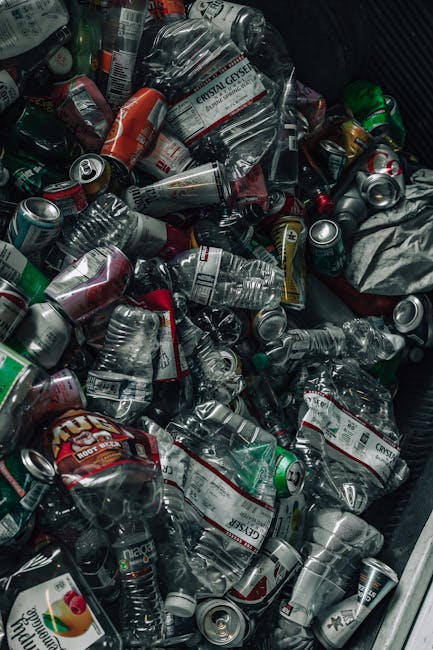
- Recyclable or separable items: cardboard, certain metals, some electricals, and furniture that can be reused or broken down responsibly.
In a typical Pimlico move, a mover will ask you to flag anything unusual ahead of time. That matters because the vehicle load, handling method, and disposal route may change. For instance, a standard sofa is one thing; a sofa with embedded batteries, loose chemicals underneath it, or vermin contamination is another. Yes, it happens. More often than most people admit.
Recycling rules are just as practical. If something can be reused, donated, dismantled, or sent into a recycling stream, that is usually preferable to treating it like mixed rubbish. Many households now sort cardboard, old electronics, and reusable furniture before moving day. That reduces clutter and makes the move easier, especially in smaller Pimlico properties where every corridor and landing seems to shrink once the boxes appear.
For large household furniture that is no longer wanted, the options often sit alongside furniture removals and furniture pick up depending on whether the items are being moved, reused, or cleared away as part of the move-out process.
Key Benefits and Practical Advantages
Following banned item guidance and recycling expectations is not just about avoiding trouble. It genuinely makes the whole move smoother. Here is why.
- Fewer delays on the day: the crew can load in the right order and avoid last-minute sorting.
- Less risk of damage: separated hazardous items are less likely to leak, break, or contaminate other belongings.
- Better safety: workers are not exposed to items that need specialist handling.
- Cleaner disposal decisions: recyclable goods are more likely to end up in the right route.
- More accurate planning: you can choose the right removal size, packing style, and timing.
There is also a budget benefit. A move that has been prepared properly tends to be more efficient, and efficiency usually means fewer surprises. You may not save a fortune, but you do avoid the small expensive annoyances that build up when the team has to pause and problem-solve on the pavement outside your building.
Another advantage is peace of mind. If you know where the prohibited items are and what will happen to the recyclable ones, you can focus on the move itself rather than worrying whether the van is carrying something it should not. That is a good feeling, especially when you are already juggling keys, cleaners, and the last stubborn box in the kitchen.
If you want to understand how different move types are planned around access, load size, and time constraints, the pages for man and van and removal services are useful context, particularly for smaller or more flexible Pimlico jobs.
Who This Is For and When It Makes Sense
This topic matters to more people than you might think. In Pimlico, the answer is often "almost everyone moving house, flat, or office."
- Home movers: if you are clearing a flat or family property, you need to know what can be transported and what needs separate disposal.
- Flat movers: tight access makes preparation even more important, because there is less room to sort things at the last second.
- Students: student moves often involve mixed items, cheap furniture, old chargers, and bags of things that should really have been recycled earlier.
- Office teams: commercial moves can include electronics, printers, toner, confidential waste, and outdated equipment that needs careful handling.
- People using storage: if items are going into storage first, they still need to be safe and clean enough to store.
It also makes sense for anyone who is decluttering before a move. In fact, that is often the best time to separate banned items and recyclable goods. One spare hour at the start can save several hours later. You will notice the difference immediately when the packing starts and the room no longer feels like a jumble sale.
For businesses, commercial moves and office removals are especially relevant because workplaces often generate a mixture of paper, plastics, electronics, and old furniture. That mix needs a clear plan.
Step-by-Step Guidance
Here is a practical way to prepare for banned items and recycling laws before your Pimlico move. It is simple, but it works.
- Walk through every room. Check cupboards, under sinks, sheds, storage drawers, and the backs of wardrobes. The awkward items are usually hiding in places you forgot existed.
- Separate hazardous goods. Set aside anything flammable, corrosive, pressurised, leaking, or chemically active. If you are unsure, treat it as restricted until confirmed otherwise.
- Pull out recyclables. Cardboard, paper, certain plastics, old cables, and reusable items should be grouped sensibly.
- Identify electricals. Chargers, laptops, kettles, TVs, lamps, and other WEEE-type items may need separate handling depending on condition and service scope.
- Empty and clean containers. Part-used paint, aerosols, and cleaning products are a common problem. If they are still sealed or half full, flag them early.
- Tell the mover in advance. The earlier you mention special items, the easier it is to plan the truck load and the route.
- Label boxes clearly. Mark anything fragile, recyclable, or not to be mixed with general contents.
- Keep banned items accessible. Do not bury them under a mountain of bedding. Separate them so they can be dealt with calmly.
A small practical point: if you have a box of mixed oddments, sort it before moving day. Mixed boxes are where batteries end up with cutlery, or where a charger sits next to a can of polish. Not ideal. Not even close.
Expert Tips for Better Results
After enough moves, a few patterns become very clear. The people who prepare well generally have an easier time. The people who do not prepare... well, they often learn the hard way.
Tip 1: Deal with batteries early. Loose batteries are one of the easiest things to misplace and one of the easiest things to mishandle. Remove them from devices where possible and keep them in a separate container.
Tip 2: Don't assume "old" means "safe to throw in the van." A decade-old item can still contain hazardous material, trapped gas, residual liquid, or sensitive components. Age is not a safety test.
Tip 3: Empty appliances before the move. Fridge-freezers, washing machines, and similar items should be cleaned and prepared properly. Damp interiors and leftover food create obvious problems, and the smell is not something anybody wants on moving morning.
Tip 4: Use the move as a reset. If you have not used it in two years, ask yourself honestly whether it deserves a place in the new home. Sometimes the best recycling decision is simply not to move junk in the first place.
Tip 5: Match the service to the job. A straightforward room clear-out may suit a smaller vehicle, while a larger flat, piano move, or office relocation may need more structure. moving truck and removal van options can help with different load types, depending on the volume involved.
And one more, slightly underestimated tip: keep tea and water handy for yourself. It sounds minor, but on a long move day, basic comfort helps you make better decisions. Strange how that works.
Common Mistakes to Avoid
Most move-day issues with banned items and recycling laws are avoidable. The tricky part is that the mistakes are usually boring ones, not dramatic ones. That makes them easy to miss.
- Leaving hazardous items until the last minute. Then they end up in the wrong pile because you are rushing.
- Mixing recyclables with waste. Once everything is blended together, sorting becomes slower and less efficient.
- Assuming the mover can take anything. They often cannot, and should not.
- Ignoring office equipment disposal. Printers, monitors, batteries, and cables need attention too.
- Failing to check cupboards and loft spaces. Hidden items are the classic source of surprises.
- Not reading service terms. The service scope matters. It sets out what is handled, what is excluded, and what may need prior agreement.
There is another common one: packing too much into too few boxes. That is not a recycling issue exactly, but it often leads to broken items, more waste, and a messier unload. If you need help packing properly, packing and boxes and packing and unpacking services can reduce the chaos quite a bit.
Tools, Resources and Recommendations
You do not need fancy equipment to stay compliant and organised. A few simple tools make a real difference.
- Marker pens: for labelling hazardous, recyclable, and fragile boxes clearly.
- Strong bags or tubs: for batteries, cables, and small loose items.
- Cleaning cloths: to wipe down items before storage or disposal.
- Basic toolkit: for removing shelves, lamp bulbs, or detachable parts.
- Sorting trays or boxes: to split recyclables from general move items.
In practical terms, the best resource is a pre-move inventory. Keep a simple list of anything unusual, especially aerosols, paints, solvents, electronics, gas-related items, or contaminated goods. That list can be shared with the removals team before move day so there are no awkward surprises.
If you are comparing service choices, it helps to review pricing and quotes alongside the scope of the job. The cheapest option is not always the best value if it excludes the exact handling you need.
For deeper company background and peace of mind, the pages on about us, insurance and safety, and health and safety policy can help explain how a professional removals provider approaches risk and responsibility.
Law, Compliance, Standards, or Best Practice
Let's keep this plain and careful. In the UK, moving and disposal duties sit across a few different areas of responsibility, and local practice can vary. For Pimlico moves, the safe approach is to assume that hazardous, restricted, or contaminated items should be separated and handled outside a standard removals load unless the mover has explicitly agreed otherwise.
Recycling expectations generally follow common-sense environmental best practice: separate recyclable material where possible, avoid contaminating clean streams, and do not leave batteries, chemicals, or other hazardous items mixed into general household waste. For businesses, the bar is often higher because office waste can include confidential materials and electrical equipment that need a more careful process.
A few plain-English principles are worth keeping in mind:
- Duty of care: you should know what you are handing over and whether it is safe to transport.
- Product safety: dangerous or unstable goods should not be loaded casually.
- Environmental responsibility: reuse and recycling are preferred where practical and lawful.
- Service terms matter: the removal company's terms and safety policies define what they will and will not handle.
That is why it is sensible to review the company's terms and conditions before moving day, especially if you have anything unusual. For most readers, that sounds like boring admin. Fair enough. But boring admin can save a lot of stress.
One more practical point: if something seems questionable, ask first. Do not guess. Guessing is how batteries end up in the wrong box and how nobody feels clever afterwards.
Options, Methods, or Comparison Table
When you are deciding what to do with unwanted items before a move, there are usually a few sensible routes. The right one depends on condition, safety, and whether the item can be reused.
| Item type | Best approach | Why this is usually the safer choice |
|---|---|---|
| Reusable furniture | Move, donate, or arrange furniture pick up | Reduces waste and keeps usable items in circulation |
| Broken or bulky furniture | Separate for disposal or specialist handling | Prevents damage and avoids mixing with general loads |
| Batteries and loose electrics | Keep separate and declare early | Reduces fire and contamination risk |
| Paint, solvents, aerosols | Do not mix with general move items | These can be hazardous or pressure-related |
| Cardboard and clean packaging | Recycle where possible | Cleaner, simpler, and usually easier to process |
| Office tech and printers | Plan a separate route | Often needs careful handling and sorting |
If your move involves a larger clear-out, you may also want to compare full-service removals against a more flexible option like man with van or same day removals. The right method depends on timing, access, and how much pre-sorting you have already done.
Case Study or Real-World Example
Picture a fairly typical Pimlico flat move on a Friday afternoon. The client has packed most rooms well, but the utility cupboard is another story. There are half-used cleaning sprays, a box of cables, three old smoke alarms, a battery charger, two tins of paint, and a chair that has seen better days. The hallway is narrow, the lift is tiny, and the removal team has already got one eye on the parking window outside. Classic London move energy.
Because the restricted items were flagged early, the team could separate the load before the main furniture went out. The cardboard and reusable household goods were sorted for recycling or reuse. The chair was assessed separately. The paint and aerosols were not packed with general belongings. The result? Faster loading, fewer interruptions, and no need to unpack the truck halfway through the day because something questionable had been buried under duvets.
That is the real value of understanding banned items and recycling laws for Pimlico moves: it keeps the day moving. No grand drama, no heroic last-minute fix, just a smoother process from start to finish. And honestly, that is what most people want.
For move types that need extra handling or a more coordinated plan, the pages on flat removals, student removals, and office relocation services show how different move scenarios can be managed around access and content type.
Practical Checklist
Use this before moving day. It keeps things simple.
- Check cupboards, loft storage, under-sink areas, and utility spaces.
- Separate batteries, chargers, and other loose electrical items.
- Keep paint, solvents, aerosols, and chemicals apart from general boxes.
- Sort cardboard and clean packaging for recycling.
- Identify any furniture that should be reused, donated, or picked up separately.
- Clean appliances and empty them fully before the move.
- Label any box containing mixed or fragile contents.
- Tell the removals team about anything restricted before move day.
- Read the service terms so you know what is included.
- Keep a small "do not move yet" area for items that need review.
That little "do not move yet" corner can save a lot of confusion. A chair, a battery box, and a random half-full spray bottle can all live there until you decide what happens next. Simple, but effective.
Conclusion
Banned Items and Recycling Laws for Pimlico Moves are really about making a move safer, cleaner, and less stressful. If you separate hazardous goods, recycle what can be recycled, and tell your removals team what they need to know in advance, you remove a huge amount of friction from the day. That matters in Pimlico, where space is tight, timing is tight, and nobody wants extra drama on the stairs.
Use the move as a reset. Clear out the things you do not need, respect the items that need special treatment, and give yourself a better start in the new place. It is a small bit of effort now for a much calmer finish later, which is usually a very good trade.
Get a free quote today and see how much you can save.
Frequently Asked Questions
What items are usually banned from a standard removal van?
Items that are flammable, corrosive, pressurised, leaking, or otherwise hazardous are commonly restricted. That often includes some paints, solvents, aerosols, and certain chemicals. Always check in advance rather than assuming.
Can I move batteries in a normal house move?
Batteries are often treated separately, especially loose ones or damaged ones. Small household batteries should usually be isolated and declared early. Do not pack them loosely with metal items.
Are old paint tins allowed in removals?
Usually not if they are full, leaking, or hazardous. Even half-used tins can be a problem, so it is better to set them aside and ask how they should be handled.
What should I do with cardboard and packing materials?
Clean cardboard and many packing materials can often be recycled. Keep them dry and separate from general waste so they remain usable for recycling.
Do I need to tell the movers about special items?
Yes, absolutely. That is one of the simplest ways to avoid delays or refusals on moving day. A short heads-up can make a big difference.
Can furniture be recycled or reused instead of thrown away?
Often yes, depending on its condition. Reusable furniture may be suitable for furniture pick up, resale, donation, or dismantling into recycling streams.
What about office electronics and printers?
These usually need separate planning because they can contain cables, batteries, toner, or sensitive components. For office moves, it is wise to sort tech items before the team arrives.
Does recycling affect the cost of a move?
It can, depending on the volume of items and the type of handling needed. Clear separation and early planning often help keep the job more efficient.
What happens if I accidentally pack a banned item?
Let the mover know straight away. Do not hide it or hope nobody notices. The safest option is to remove it from the load and decide on a proper route for it.
Is a same-day move more likely to have issues with restricted items?
It can, simply because there is less time to sort through the contents. If you need rapid help, same day removals are easier when you have already separated special items.
How do I prepare for a flat move in Pimlico?
Sort rooms in advance, label everything clearly, and remove anything hazardous from the main load. For smaller or stair-heavy properties, good preparation really pays off.
Where can I find more details about company policies and safety?
The most useful pages are the company's health and safety policy, insurance and safety, and privacy policy. They help you understand how the business handles responsibility, security, and customer information.
For questions about your specific move, you can also review the company's contact page and discuss the details directly before move day. A short conversation now saves a lot of guesswork later.
And that is really the heart of it: a better move is usually just a better-prepared move. Calm, clear, and one step at a time.